


Univers Mironià
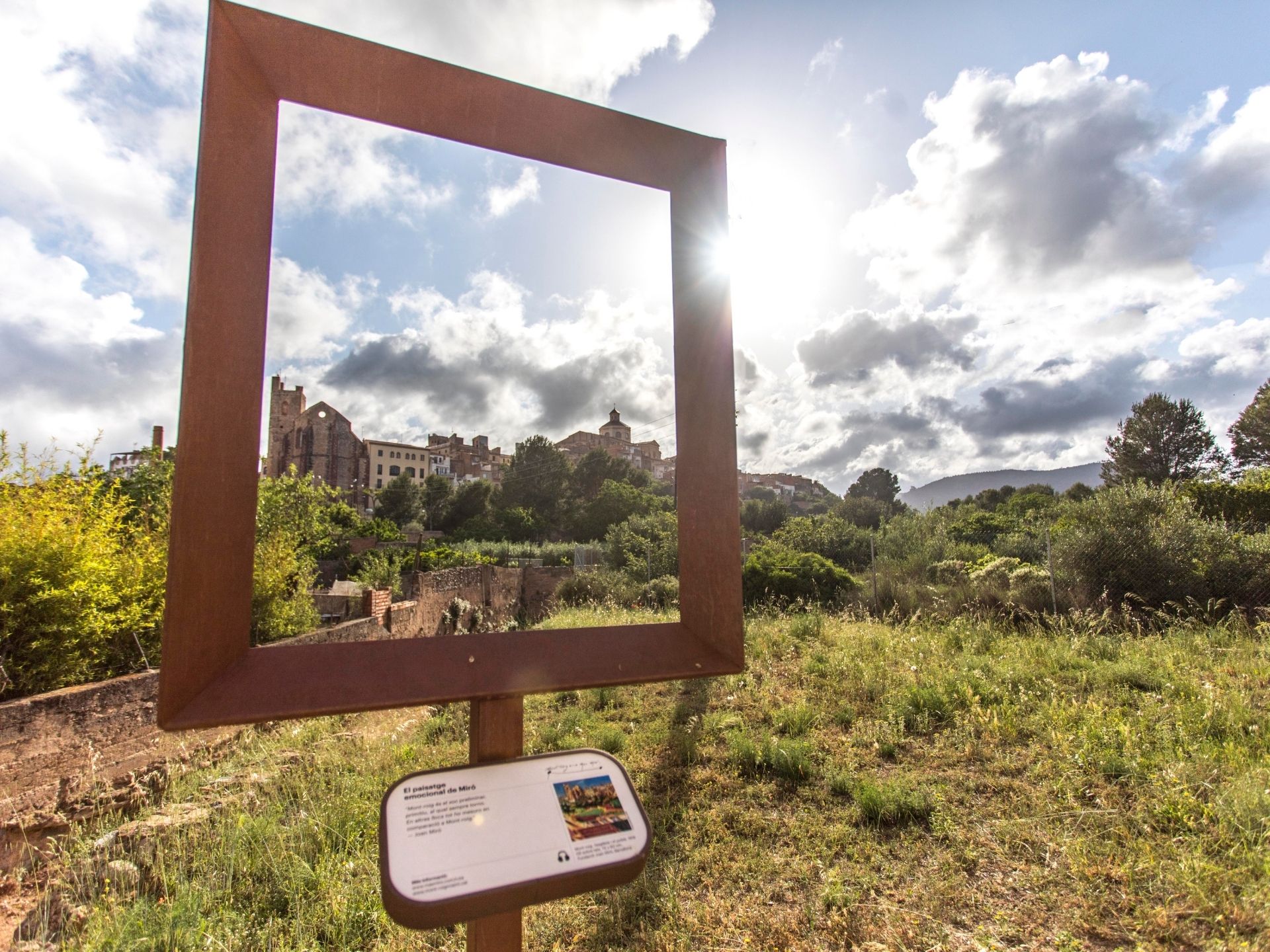
There are places that leave a mark. That you can breathe, that you can experience, that transform you. Mont-roig del Camp is one of them. It not only captivated Joan Miró, but also moved him to paint it, to make it his creative cradle, the emotional landscape that led him to dedicate himself fully to art and that he never stopped representing.
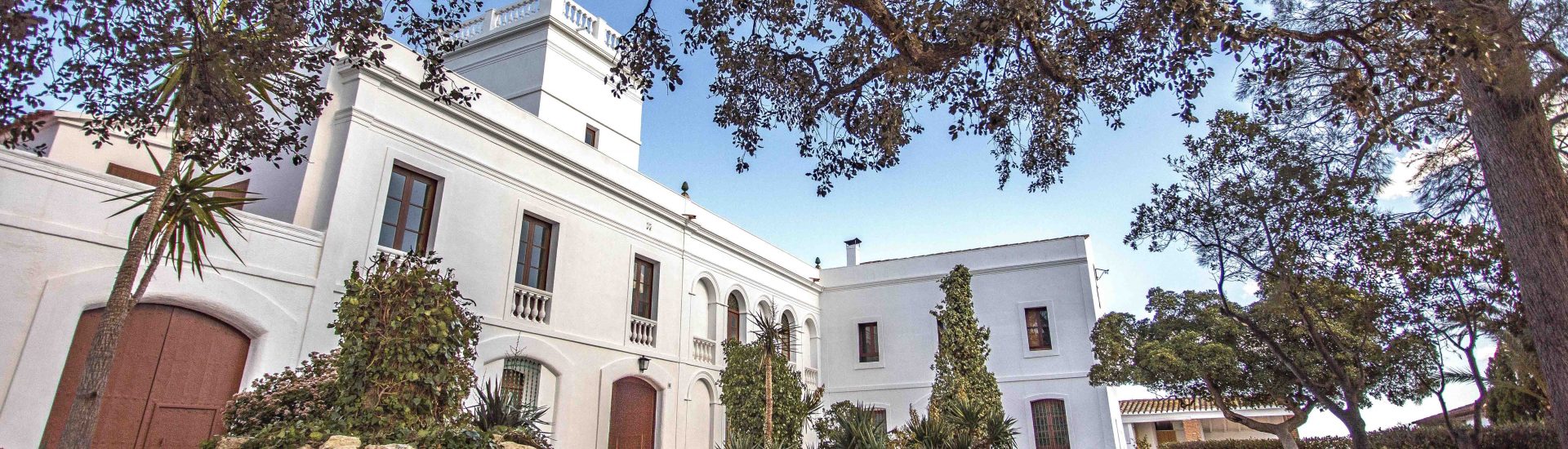
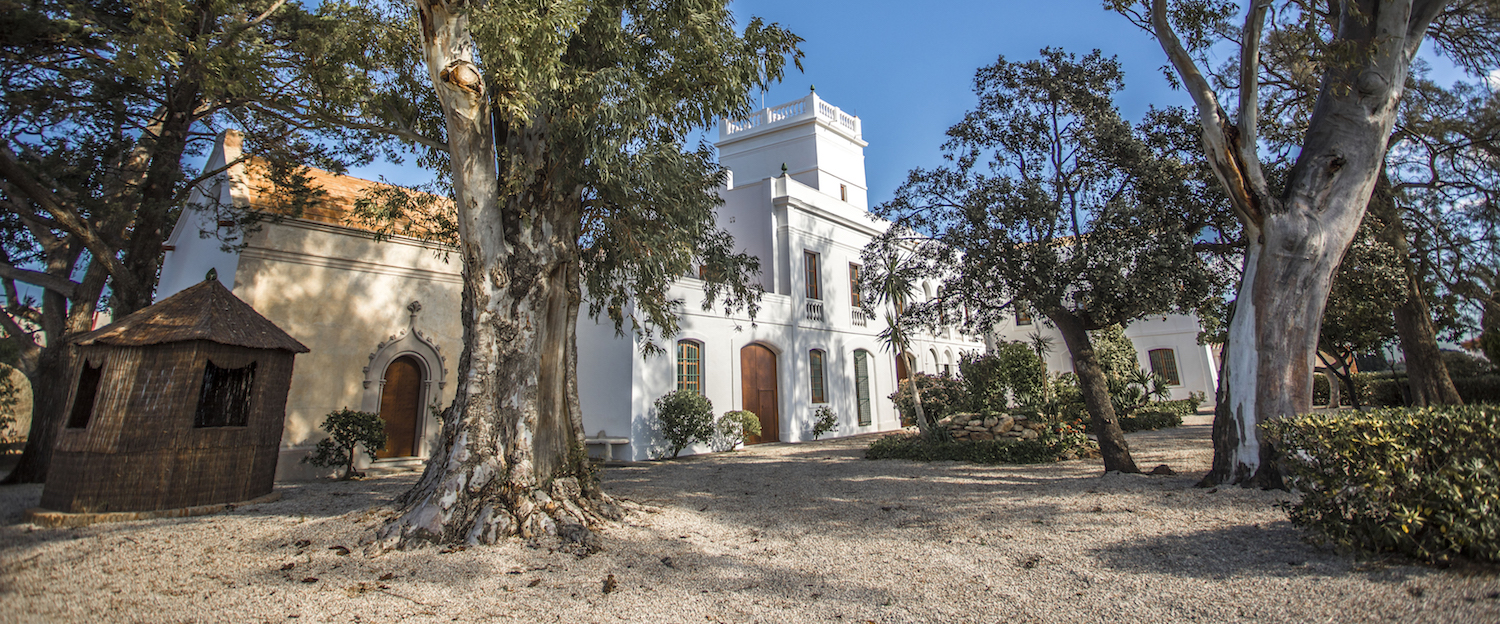
Mas Miró: the origin of a genius
At the edge of the village, surrounded by olive trees and silence, stands Mas Miró. This family farmhouse was the artist’s refuge and source of inspiration for decades. In this intimate space full of rural life, Miró painted essential works such as La Masía (1921-1922), a symbol of his deep connection with Mont-roig.
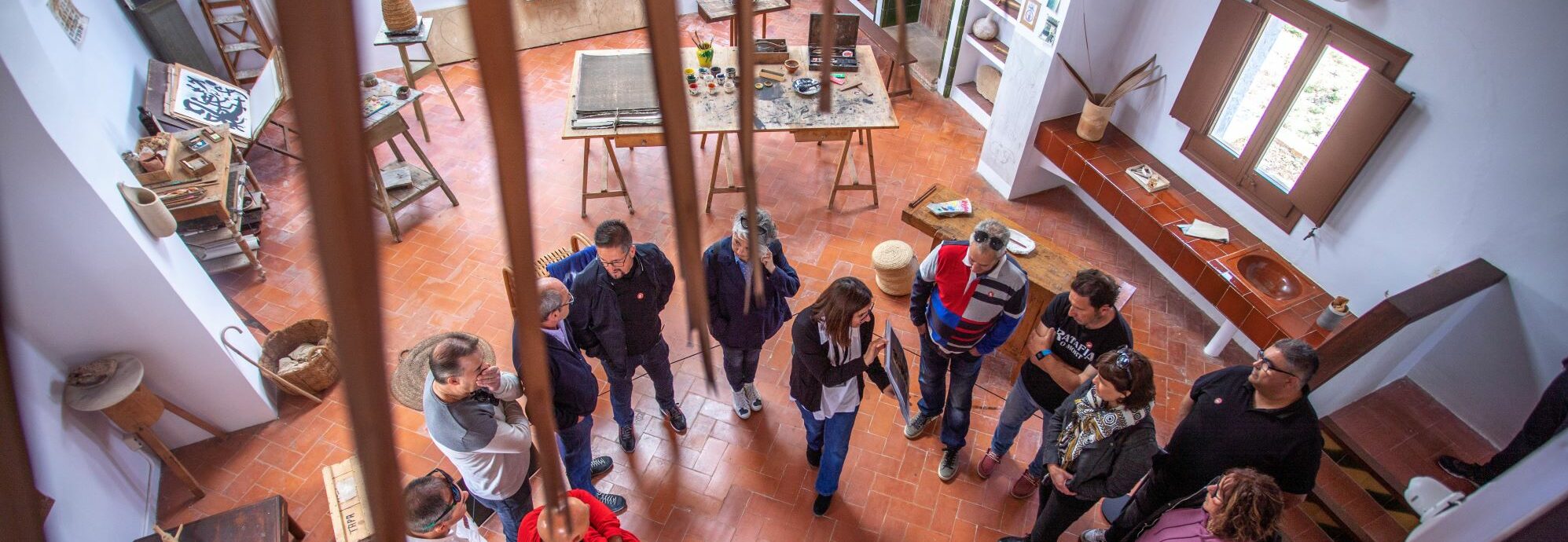
Visiting Mas Miró is stepping into the personal world of the artist, walking through his original spaces, and understanding how this corner of the Baix Camp gave rise to a new way of seeing the world.
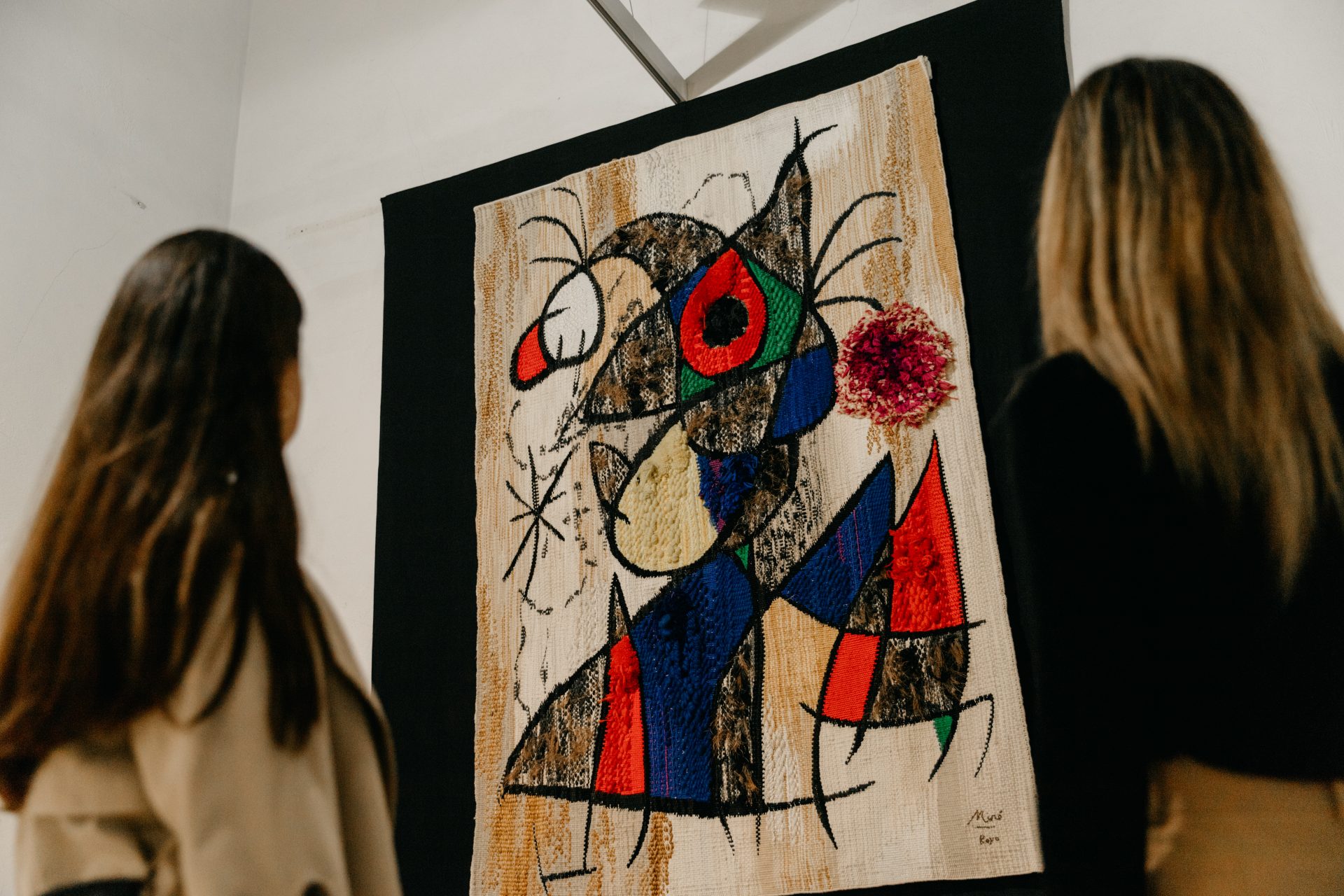
The Miró-Royo Tapestry: the reinvention of textile art
In the heart of the old town, the Old Church houses another jewel of the Miró legacy, born from the dialogue between two artists: the Miró-Royo Tapestry. Created from an original design by Miró and woven by master Josep Royo, this monumental work symbolizes collaboration and the continuity of his creative spirit.
The colors, shapes, and texture of the tapestry remind us of the vitality and energy that Miró always found in Mont-roig.
Follow Miró’s landscapes
Discover the landscape that inspired a genius’s universe.
Walk along his paths, breathe the same light, and let yourself be captivated by the magic that still fills every corner of Mont-roig del Camp today.
LA MASIA
“La Masia” is the most emblematic creation of the artist’s figurative period. The meticulousness of the work, as if it were calligraphy, captivated Hemingway, who bought the painting. It is an inventory of the daily life of a farmer; Miró wanted to summarize his entire life at the Mas in a single painting. It is said that after starting it in Mont-roig, he finished it in Paris barefoot, stepping on the earth and herbs from the Mas.

MONT-ROIG BEACH
Joan Miró enjoyed going down to the Pixerota beach to swim and exercise. It was the beach where he drew his well-known Miró stars, which later became one of the most representative symbols of his work. The Pixerota beach served as inspiration for creating one of his first paintings, “Platja de Mont-roig”.
MONT-ROIG, SANT RAMÓN
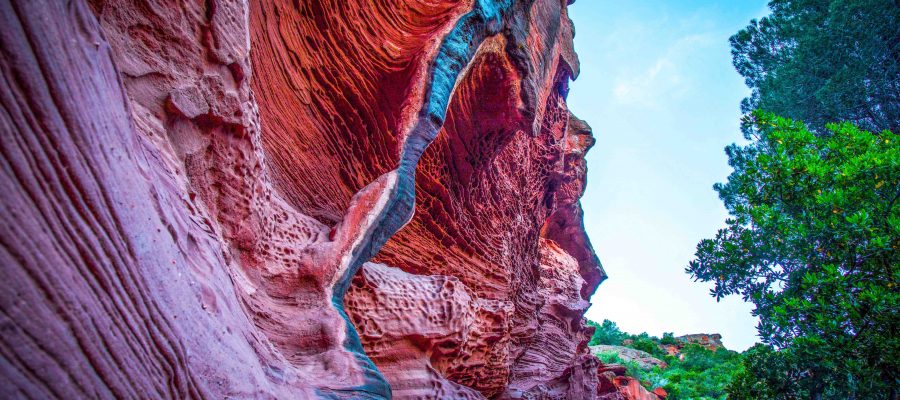
The natural forms of the Ermita de la Roca Natural Park inspired the young Miró, allowing his Cézannian influence to flow freely. The artist stated that the secret of his work was balance, and he found that balance precisely in the ensemble of the Ermita de Sant Ramón: its position on the red cliff, the cubic shapes of the rocks, and the way the entire landscape seems to defy the laws of physics profoundly captivated the genius.

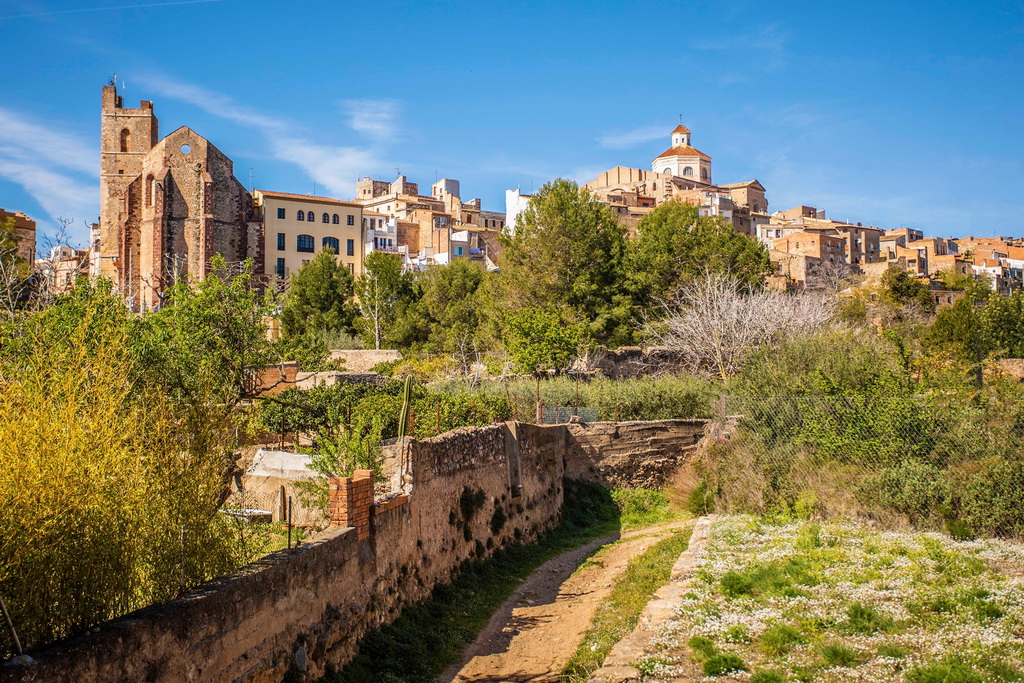
MONT-ROIG, THE VILLAGE
The painting Mont-roig, el poble is one of the representations Miró dedicated to the village of Mont-roig. The painting shows the view from Les Creus, highlighting the majesty of the New Church and a dense network of houses that reveal longitudinal streets oriented toward the sea. This work belongs to the artist’s first pictorial period, characterized by a careful and emotional gaze at the landscape of Mont-roig.
VILLAGE AND CHURCH OF MONT-ROIG
The painting Poble i església de Mont-roig is one of the interpretations Miró made of his hometown. The work synthesizes all the work done up to that point and, at the same time, anticipates his new figurative stage. It features the figure of a farmer, a large number 173 intentionally drawn, the typical tomato plant stakes that transform into symbolic Miró stars, and in the background, the New Church under construction.